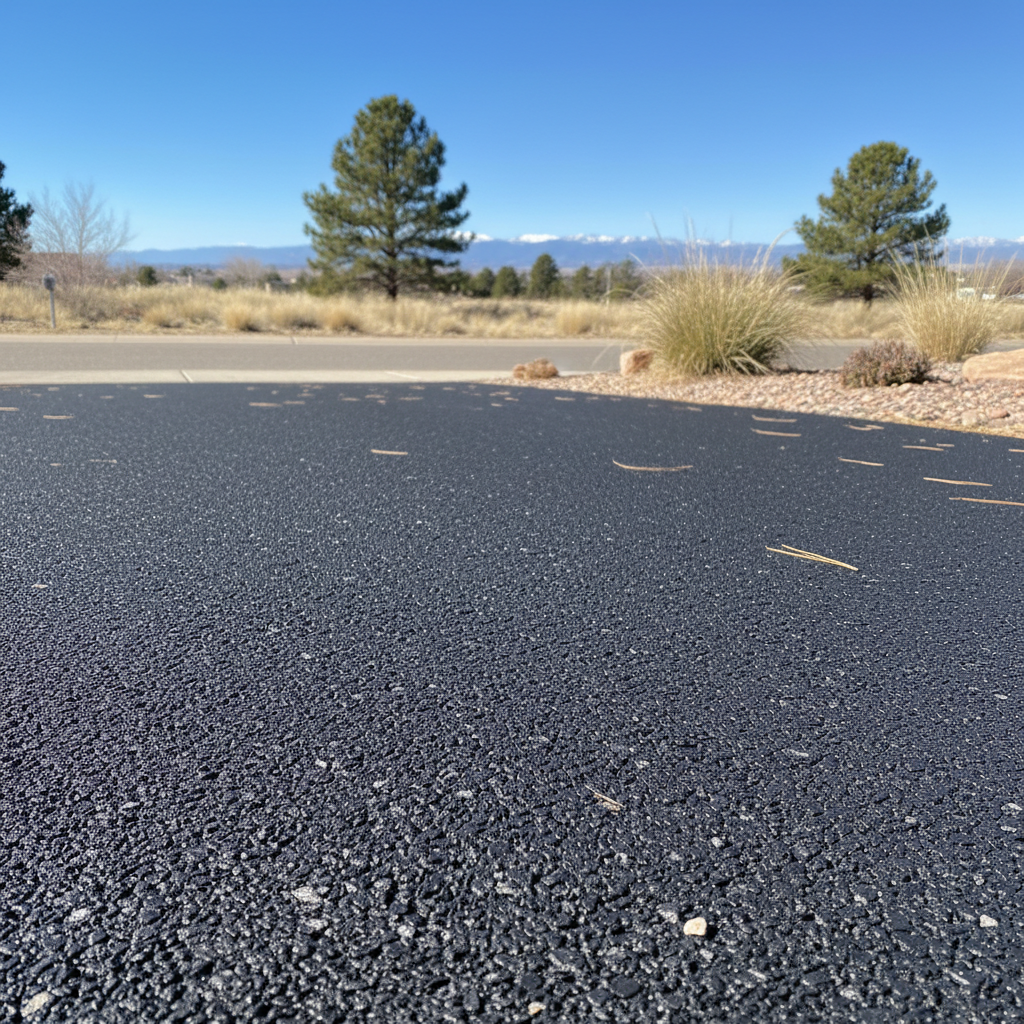
Thinking About a New Driveway? Here's the Real Deal.
So, you're looking at your driveway, maybe it's cracked, crumbling, or you're just ready for something new. It's a big investment, no doubt, and you're probably wondering what you can do yourself and when you absolutely need to bring in a professional. I get it. As someone who's been doing this work in Thornton for a long time, I've seen it all – the good, the bad, and the 'oh no, they tried to DIY that.' Let's break down what you need to know.
Before You Even Think About Dirt: Planning & Permits
First things first, don't just start digging. You've got to plan. What kind of driveway do you want? Asphalt? Concrete? Pavers? Each has its own benefits and drawbacks, and they all have different prep requirements. Also, you need to check with the City of Thornton. Seriously, don't skip this. You might need a permit, especially if you're changing the size or location of your driveway, or if you're messing with the apron where it meets the street. They'll have rules about setbacks, drainage, and materials. Trust me, getting caught without a permit after the fact is a headache you don't want.
Another big 'before' step is understanding your soil. Here in Thornton, especially in some of the older neighborhoods like those around Pecos or Huron, we've got expansive clay soils. That means they swell when wet and shrink when dry, which can wreak havoc on a poorly constructed driveway. A good contractor will know how to deal with this, often by ensuring proper sub-base compaction and drainage. If you're going DIY, you'll need to research how to stabilize your specific soil type.
DIY Driveway Prep: What You Can Realistically Do
Okay, so you've got your plan and your permits. What can a homeowner actually do? A fair bit, if you're handy and have the right tools. You can definitely handle the demolition of an existing driveway, assuming it's not a massive concrete slab that requires heavy machinery. Rent a jackhammer, get a good wheelbarrow, and be ready for some serious physical labor. Clearing brush and debris is also a DIY job.
Grading and excavation? This is where it gets trickier. You can rent equipment like a skid steer, but operating it effectively and getting the right slope for drainage is a skill. You need a slight slope away from your house and towards the street or a designated drainage area. Improper grading leads to standing water, which is a death sentence for any driveway, especially in our freeze-thaw cycles. If you're not confident with a laser level and heavy machinery, this is a good place to call in a pro. They'll ensure the sub-grade is properly prepared and compacted, which is critical for longevity.
When to Call the Pros: The Paving Itself
Here's my honest opinion: for the actual paving of asphalt or pouring of concrete, you should almost always call a professional. Laying asphalt isn't just dumping hot stuff on the ground. It requires specialized equipment like pavers and rollers, precise temperature control, and a crew that knows how to work quickly and efficiently before it cools. Getting the right compaction and a smooth, even surface is nearly impossible for a DIYer.
Same goes for concrete. You need to mix it correctly, pour it quickly, screed it level, and then finish it properly – all before it sets. If you mess up the mix or the finishing, you'll end up with a weak, ugly, or uneven slab that will crack prematurely. For pavers, you might be able to lay them yourself if you're meticulous and have a good base, but getting the cuts right and ensuring proper edge restraint can be challenging.
At Thornton Paving Co, we've got the equipment and the experienced crews who do this every day. We know the local conditions, we know the materials, and we know how to get it right the first time. It's an investment that pays off in a driveway that lasts decades, not just a few years.
After the Paving: Maintenance You Can Do
Once your new driveway is in, congratulations! Now, the work isn't entirely over, but this is where you can definitely take charge. For asphalt, you'll want to sealcoat it regularly – usually every 2-3 years, depending on traffic and sun exposure. This protects it from UV rays, water penetration, and chemicals. You can buy sealcoat and apply it yourself with a squeegee or sprayer. It's messy, but totally doable.
Keep an eye out for small cracks. Catching them early and filling them with a good quality crack filler will prevent them from growing into bigger problems. For concrete, keeping it clean and sealing it can help, but it's generally lower maintenance than asphalt. Just make sure to sweep off debris and avoid harsh chemicals.
No matter the material, good drainage is key. Keep your gutters clean and make sure water isn't pooling on or near your driveway. In the winter, be careful with de-icing salts. Some can be harsh on asphalt and concrete. Shovel snow promptly to prevent ice buildup.
A new driveway is a big project, and it's exciting to see it come to life. Knowing what you can realistically do yourself versus when to bring in the pros will save you headaches, money, and ensure you end up with a driveway you're proud of for years to come.